Funding Open Source Is Hard: AGPL, VC, and the Loophole Labs Story
Funding open source is hard. Really hard. And the AGPL license, designed to protect community contributions, often makes it harder. A recent example got me thinking about these tensions.
The Case Study: Loophole Labs
Loophole Labs is a small startup building impressive technology for Kubernetes live migration. In January 2025, they announced their Architect product on Hacker News, emphasizing that "all core components are open source." By October 2025, those open source projects were archived.
This isn't a gotcha. It's a window into why open source sustainability is so difficult.
What They Built
The technical work was genuinely interesting:
- Drafter - Live migration of running containers using USERFAULTFD and Firecracker
- Silo - Storage migration that works while data is still in use
- Scale - A WebAssembly plugin framework (632 stars)

Love the name
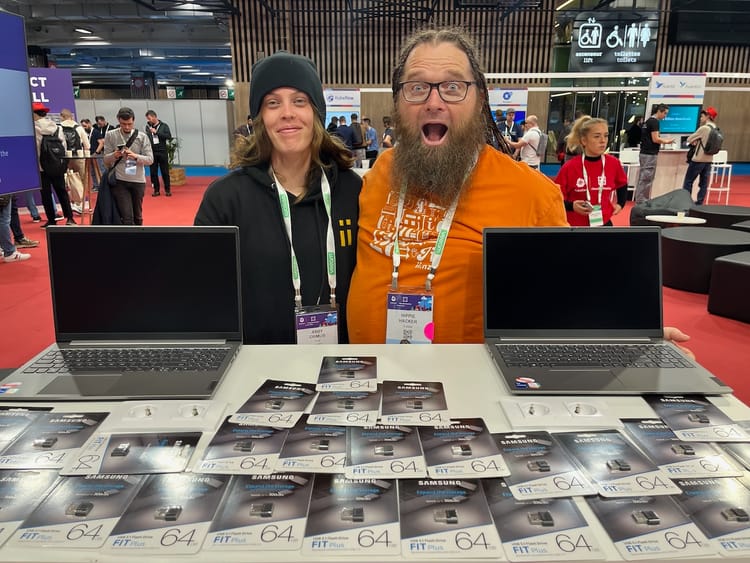
They demonstrated live migration of Redis pods between AWS, GCP, and Azure at KubeCon NA 2024, keeping connections alive during the move. That's not trivial engineering.
The AGPL Choice
Drafter and Silo were licensed under AGPL-3.0. This is a meaningful choice that reveals the tension at the heart of open source business models.
AGPL (Affero General Public License) extends the GPL's copyleft requirements to network use. If you run AGPL software as a service, you must release your modifications. The license exists specifically to close the "SaaS loophole" - where cloud providers can use open source without contributing back.
For a company building infrastructure software, AGPL is a defensive move. It says: if you want to build on our work commercially, either contribute back or talk to us about a commercial license.
Why AGPL Makes Monetization Hard
The problem is that AGPL's protection creates adoption friction:
- Cloud providers won't touch it. AWS, Google Cloud, and Azure have policies against using AGPL software. If you're building infrastructure tooling, that's your primary market saying no.
- Enterprise legal teams are cautious. Many companies have blanket policies against AGPL, even for internal use. The license's viral nature makes lawyers nervous.
- Community building is slower. Fewer users means fewer contributors, fewer bug reports, less momentum.
The Venture Capital Pressure
Loophole Labs raised $13.4M from investors including Cervin Ventures, Materialized View Capital, Deep Acre, and Haystack. That money comes with expectations.
Venture capital needs exponential growth. A small open source project with cautious enterprise adoption doesn't fit that model. The math eventually forces a choice:
- Change the license - What HashiCorp did with Terraform (BSL), Elastic did with Elasticsearch (SSPL), Redis did with their modules
- Go proprietary - Keep the commercial product closed, archive or abandon the open source
- Find a different business model - Support, hosting, enterprise features (hard to scale)
- Return the money - Rarely an option once you've taken it
Loophole Labs appears to have chosen option 2. Their Architect product is now commercial-only, in early access with a waitlist. The AGPL code remains available but archived.
The Timeline
For context, here's what happened (from public sources):
- January 8, 2025 - HN announcement: "all core components are open source"
- June 1, 2025 - New investment from Materialized View Capital
- July 23, 2025 - Last Drafter release (v0.7.4)
- September-October 2025 - All repositories archived
I'm not suggesting the funding caused the archival - we can't know what conversations happened internally. But the timing illustrates how funding events often coincide with strategic pivots.
What Gets Lost
When open source projects get archived, we lose more than code:
- Institutional knowledge - Why did they make certain design decisions? The code doesn't always explain.
- Momentum - Contributors move on. Interest fades. Forks struggle without maintainers.
- Trust - Every time this happens, developers become more skeptical of VC-backed open source.
The Drafter codebase is still there under AGPL. Someone could fork it. But without the team's context and continued development, it becomes archaeology rather than a living project.
The Alternatives Are Also Hard
It's easy to criticize, harder to propose solutions. Some alternatives:
Cooperative ownership. What if users were stakeholders? Projects like Opencollective and Polar.sh are exploring this, but it's slow money that doesn't match VC timelines.
Foundation stewardship. Move the project to a neutral foundation (Apache, Linux Foundation, CNCF). This protects continuity but doesn't solve funding for the maintainers.
Different licenses from the start. Apache 2.0 or MIT invite broader adoption but offer less protection. You might get more users but less leverage for monetization.
Don't take VC money. Bootstrap, stay small, grow slowly. Works for some projects, but not for ambitious infrastructure requiring years of development before revenue.
What We Can Learn
If you're building on open source from a VC-backed startup:
- Licenses describe current state, not future commitment
- AGPL projects face particular monetization pressure
- Funding events often precede strategy changes
- Have a plan for what you'll do if the project gets archived
If you're building an open source company:
- AGPL protects contributions but limits adoption
- VC funding creates growth pressure that may conflict with community building
- License changes and archival damage trust, even when business-justified
- Communicate early and often - the silence hurts more than the change
No Villains Here
Loophole Labs built real technology. They tried AGPL as a way to balance openness with sustainability. When that didn't work for their business, they made a different choice. That's not evil - it's the system working as designed.
Until we do, we'll keep watching this pattern repeat. The code is still there. Someone could pick it up. Maybe that's how open source is supposed to work - projects that matter get forked and maintained by those who need them.
But it would be nice if we didn't have to keep learning this lesson.